
Situated halfway between Lisbon and Porto, finding Chumbaria is easy by car, bus or train. Just 40 minutes drive from the coast with breathtaking beaches, there are also many fascinating towns and cities to explore within a 60 minutes drive, as well as diverse local countryside offering some perfect places to experience nature, from hiking to swimming in the river beaches.
Portugal has a unique charm, with a warm climate, friendly people, great food and good wine. It is known to be one of the most welcoming and safest family friendly countries on Earth. Whether you’re a frequent visitor, or new to Portugal, Central Portugal is an incredible place to explore and Chumbaria is a great base for adventures.
Places to Visit nearby
There are many local places to visit whilst staying at Chumbaria. We chose to live in this district because it is a perfect base for exploring the region, with many beautiful and diverse places within an hour of our location. Just a few of the places we recommend for our visitors are here.
Leiria – 20 mins drive
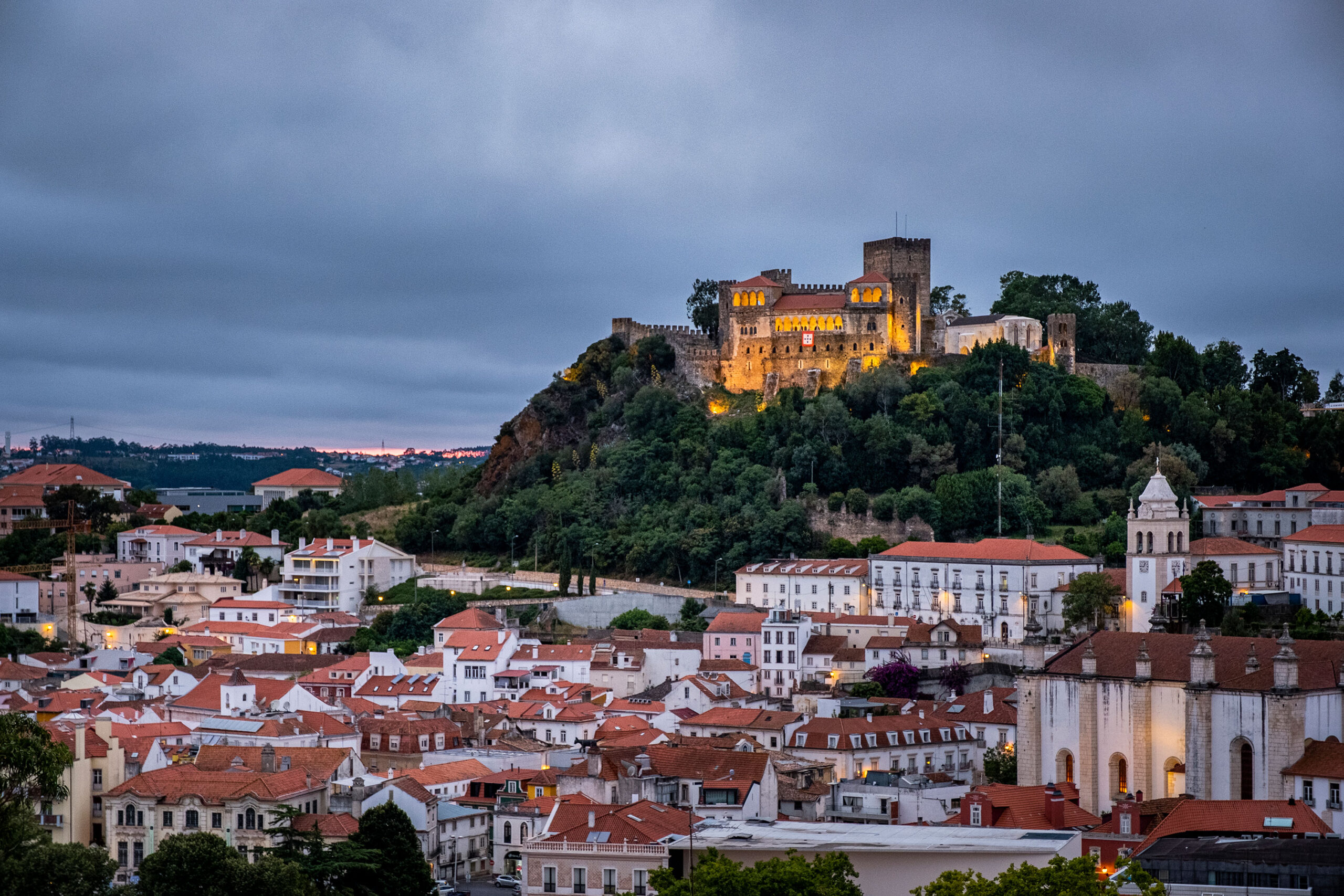


Leiria, a charming city in central Portugal, is rich in history and culture. The iconic Leiria Castle, perched atop a hill, offers breathtaking views of the city and surrounding landscape. Steeped in medieval heritage, the castle stands as a testament to Leiria’s past.
The winding Lis River flows through the city, providing a serene backdrop for leisurely walks and outdoor activities. Its calming presence adds to Leiria’s picturesque setting, making it a delightful place to explore.
Art and music thrive in Leiria, with vibrant galleries and live music venues scattered throughout the city. From traditional Portuguese art to contemporary exhibitions, there is something for every art enthusiast to enjoy. Live music performances can be found in various venues, adding a lively soundtrack to the city’s ambiance.
Leiria is a haven for food lovers, boasting a diverse culinary scene with cozy restaurants serving up delicious local dishes. From traditional Portuguese cuisine to international flavors, visitors can savor a wide range of culinary delights.
Weekly markets offer a glimpse into local life, with vendors selling fresh produce, handmade crafts, and unique souvenirs. These markets are perfect for immersing oneself in the local culture and picking up authentic treasures.
Throughout the year, Leiria hosts vibrant festivals that celebrate its heritage and cultural diversity. From music festivals to traditional events, there is always something exciting happening in the city. These festivals bring the community together and offer visitors a taste of Leiria’s lively spirit.
Tomar – 45 min
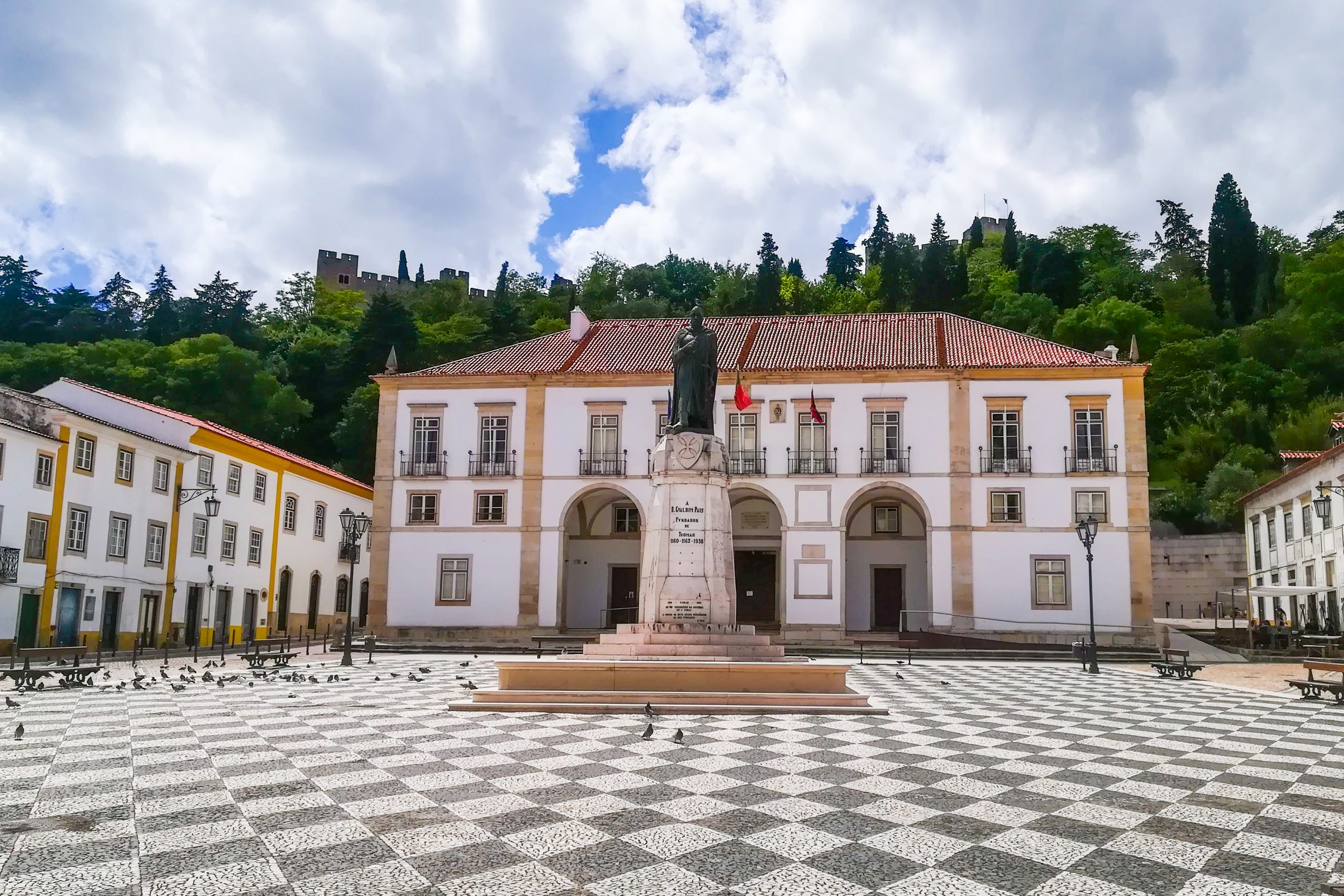

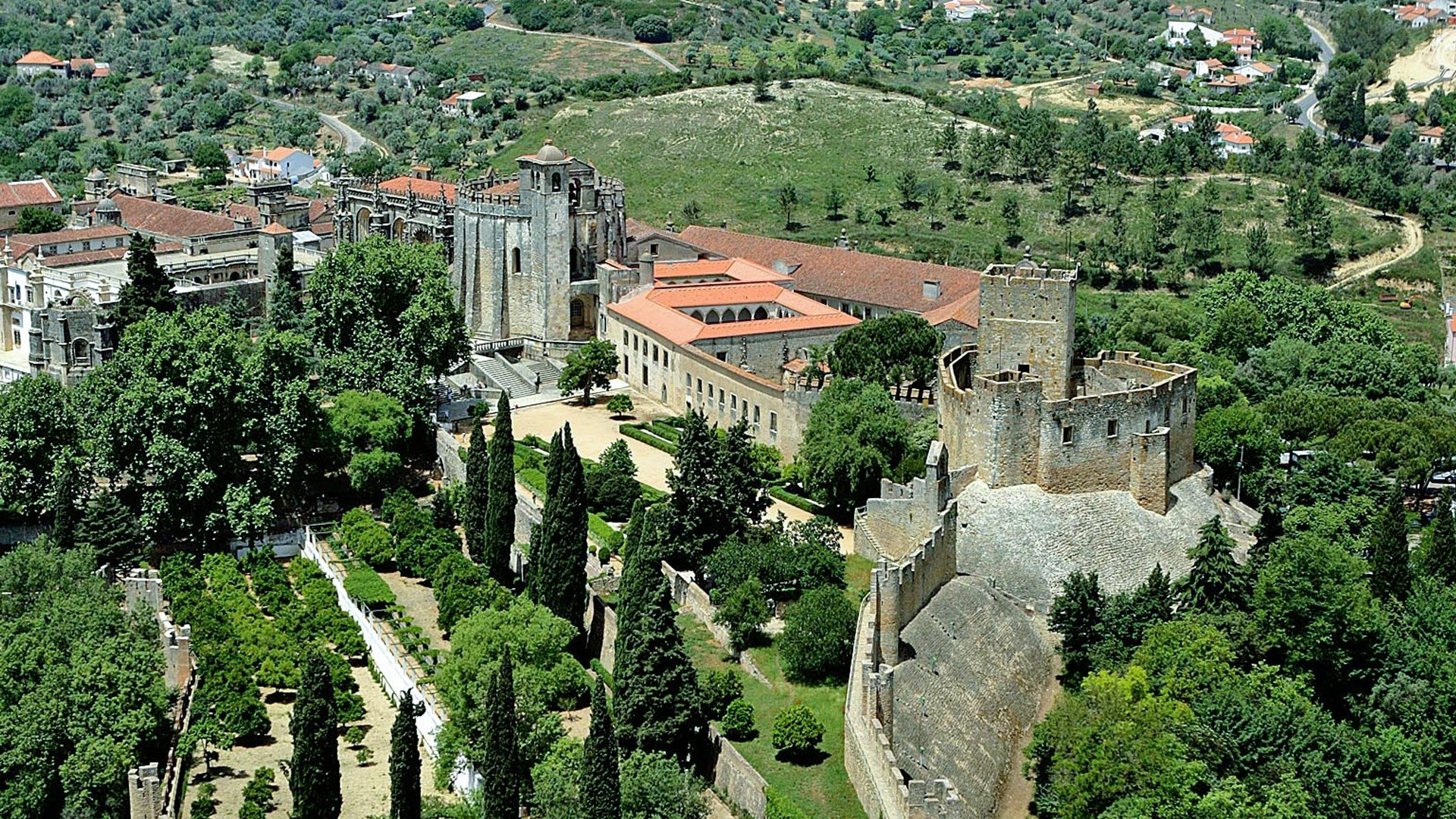
Tomar is a picturesque town in Portugal known for its historical significance and architectural beauty. At the heart of the town lies the impressive Convento do Cristo, a UNESCO World Heritage Site. The Convento do Cristo, originally a Templar stronghold, was later transformed into a monastery by the Order of Christ. Its construction started in the 12th century and continued over several centuries, resulting in a unique blend of architectural styles including Romanesque, Gothic, Manueline, and Renaissance.
Visitors to Tomar can explore the vast complex of Convento do Cristo, which includes the Charola, a circular Templar church with intricate frescoes and symbols, as well as cloisters, chapels, and courtyards. The stunning Manueline Window is a highlight, showcasing the intricate stone carvings characteristic of the Manueline style. The convent’s architecture and history provide a glimpse into Portugal’s rich past and its connections to the Age of Discoveries.
Aside from the Convento do Cristo, Tomar offers charming cobblestone streets, traditional Portuguese cuisine, and a vibrant local culture. Visitors can immerse themselves in the town’s ambiance, stroll along the riverside, and explore other historical sites such as the Castle of Tomar and the Church of Santa Maria do Olival. Tomar is a treasure trove for history buffs and architecture enthusiasts, offering a delightful mix of medieval charm and cultural heritage.
Fátima – 25 min
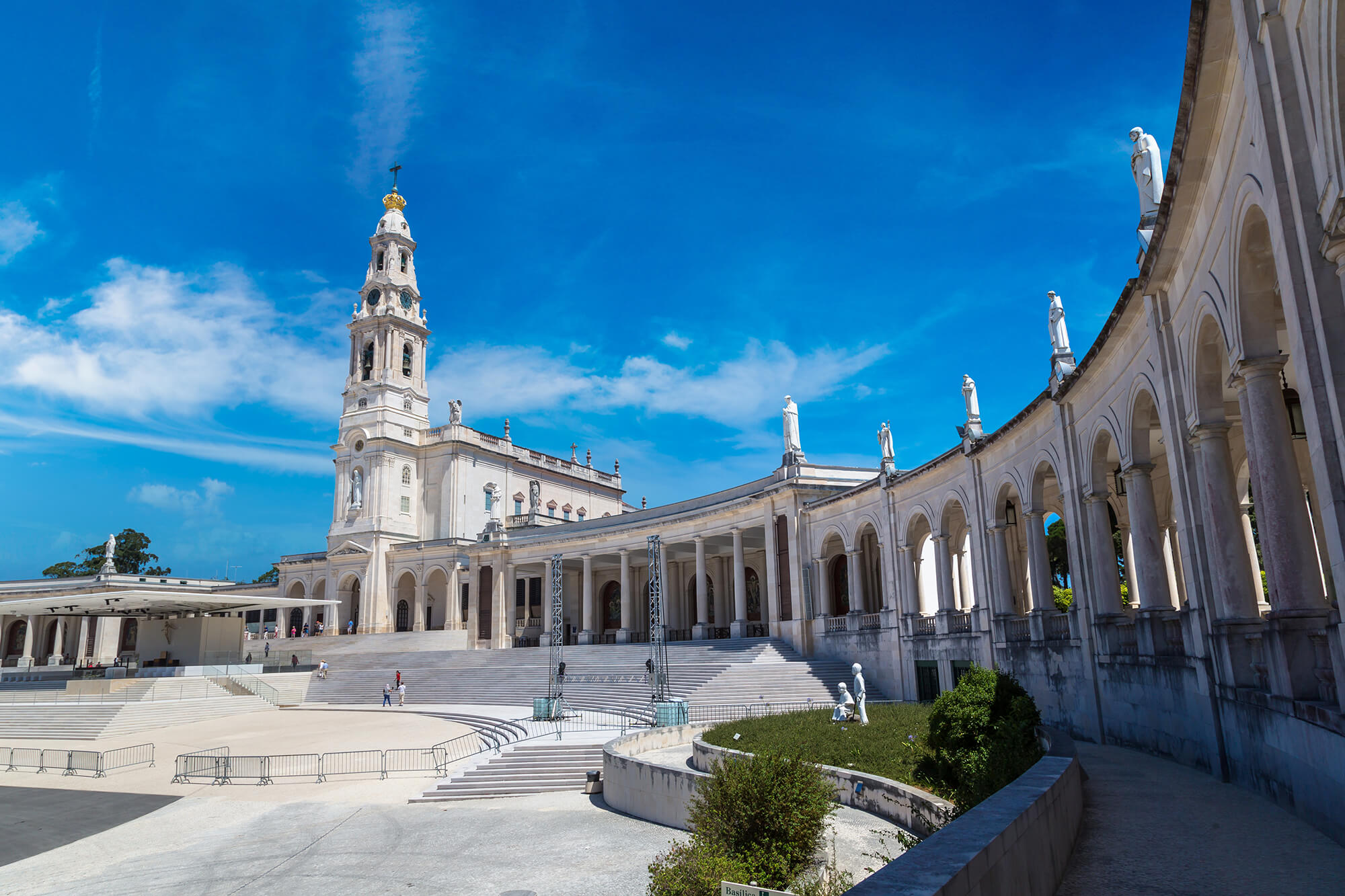

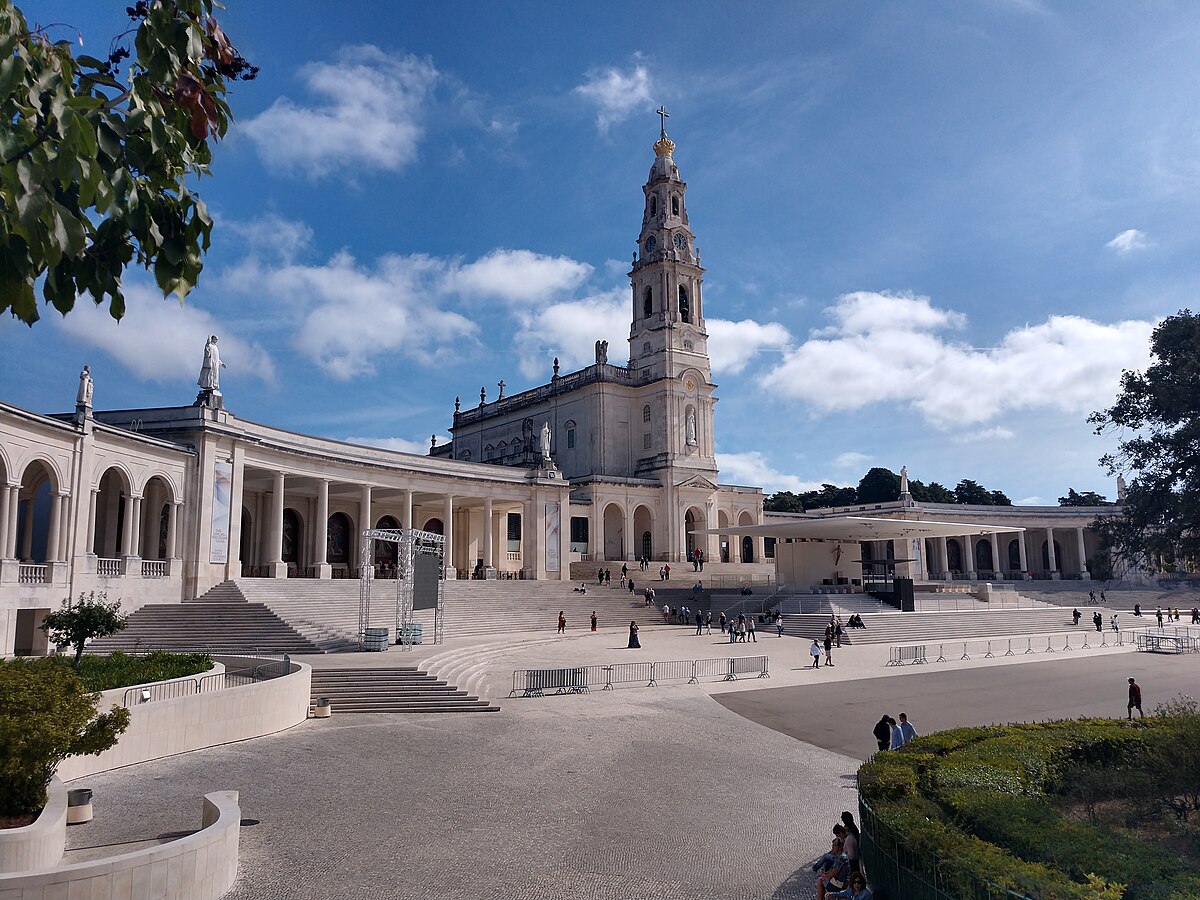
Fátima is a renowned religious pilgrimage site located in central Portugal, known for its deep spiritual significance and revered by millions of Catholics around the world.
The history of Fátima dates back to 1917 when three young shepherd children reported apparitions of the Virgin Mary, known as Our Lady of Fátima. These apparitions occurred on the 13th day of each month from May to October and culminated in what is now known as the Miracle of the Sun, witnessed by thousands of onlookers.
Today, Fátima is a major pilgrimage destination drawing believers and visitors seeking spiritual solace and healing. The Sanctuary of Our Lady of Fátima, built at the site of the apparitions, is an expansive complex that includes the Basilica of Our Lady of the Rosary, the Chapel of the Apparitions, and the modern Basilica of the Holy Trinity. Pilgrims flock to Fátima to participate in religious ceremonies, processions, and prayers, especially on significant dates like May 13th and October 13th.
In addition to its religious importance, Fátima offers a serene and contemplative atmosphere, with beautiful gardens, statues, and places for reflection. The town itself has grown around the sanctuary, welcoming visitors with hotels, restaurants, and shops catering to pilgrims and tourists alike. Fátima’s history is intertwined with faith, miracles, and the enduring devotion of believers worldwide, making it a place of pilgrimage that continues to inspire and captivate people of all backgrounds.
Nazaré – 50 min

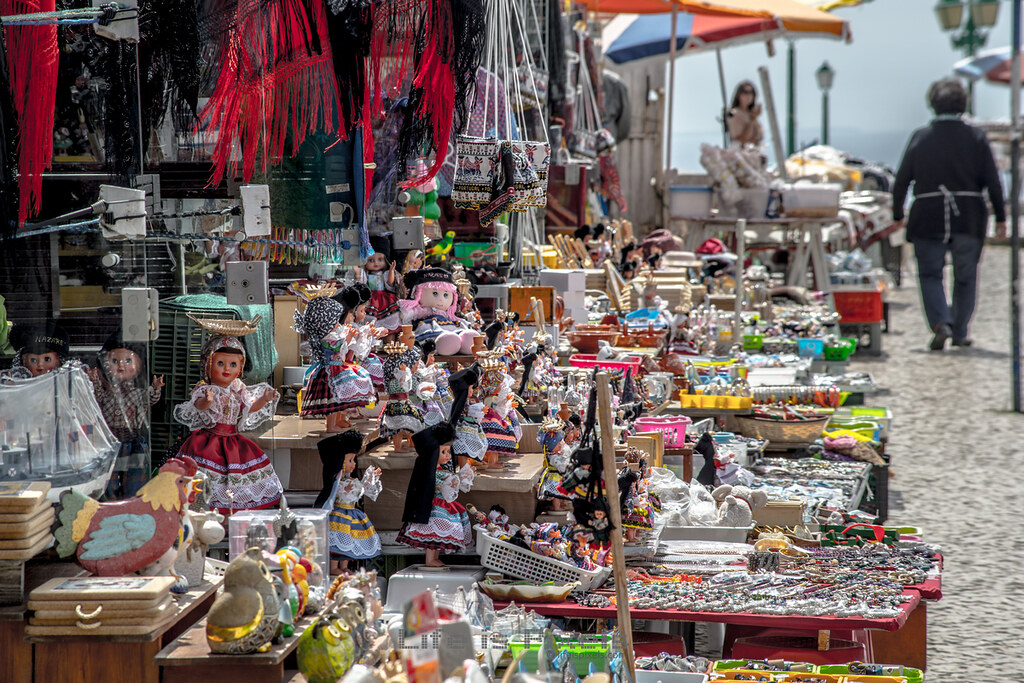
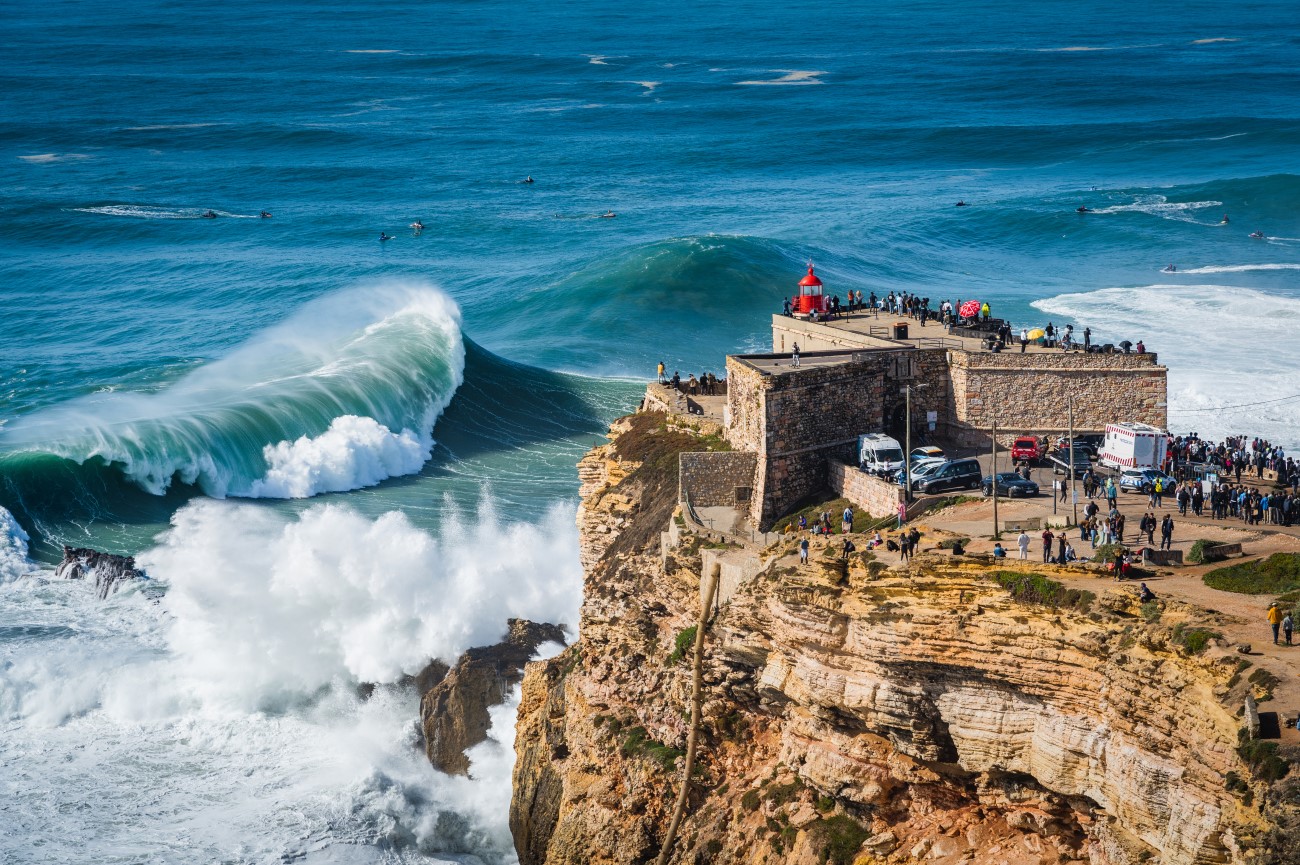
Nazaré, a charming seaside town on the Atlantic coast of Portugal, is renowned not only for its picturesque beauty but also for its record-breaking waves that attract surfers and spectators from around the globe.
The towering waves of Nazaré are a result of the Nazaré Canyon, an undersea chasm that funnels and amplifies the power of the ocean swells, creating waves that can reach heights of over 100 feet during peak seasons.
Surfers flock to Nazaré for the adrenaline-pumping challenge of riding some of the biggest waves in the world, particularly during the winter months when the swells are most powerful.
The iconic Praia do Norte beach is where surfers tackle these monstrous waves, pushing the limits of their skills and courage in the pursuit of new records and achievements.
Aside from its reputation as a mecca for big wave surfing, Nazaré offers a tranquil and idyllic setting for visitors to relax and enjoy the beauty of the coast. The town’s colorful fishing traditions, quaint cobblestone streets, and fresh seafood make it a popular destination for both surf enthusiasts and vacationers looking for a unique seaside experience.
Nazaré’s breathtaking natural beauty, combined with the awe-inspiring spectacle of its colossal waves, creates a one-of-a-kind destination that captures the hearts of all who visit.
Óbidos – 60 min
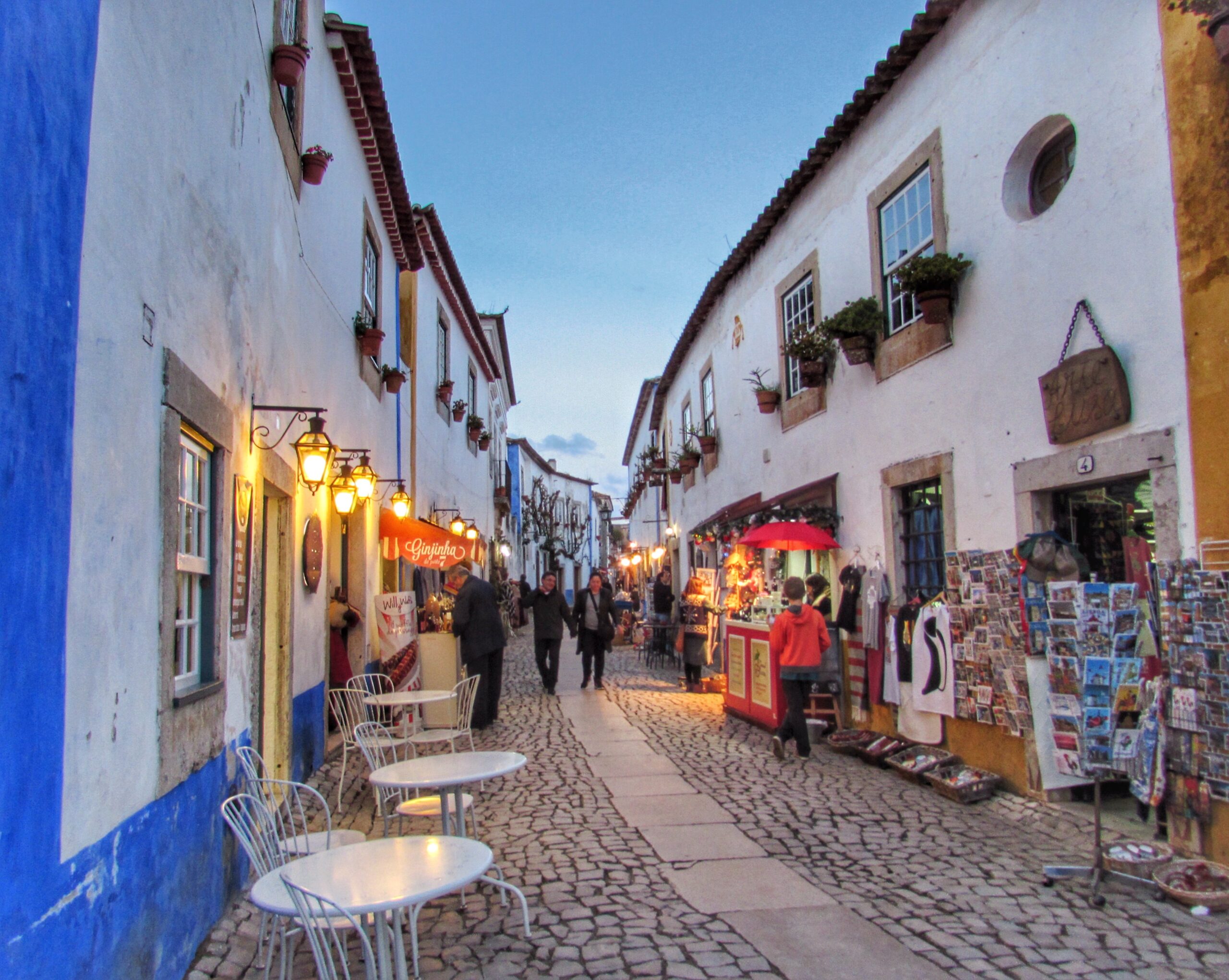
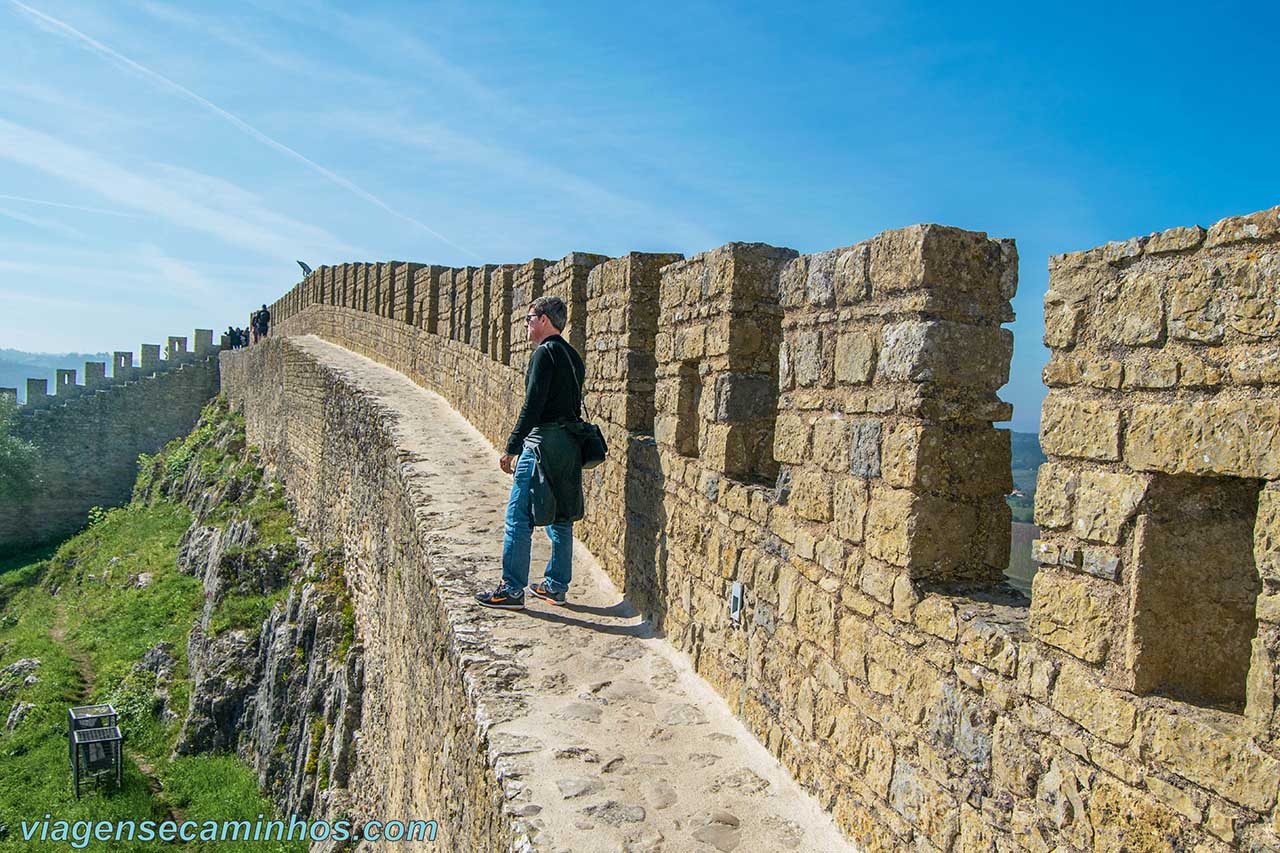
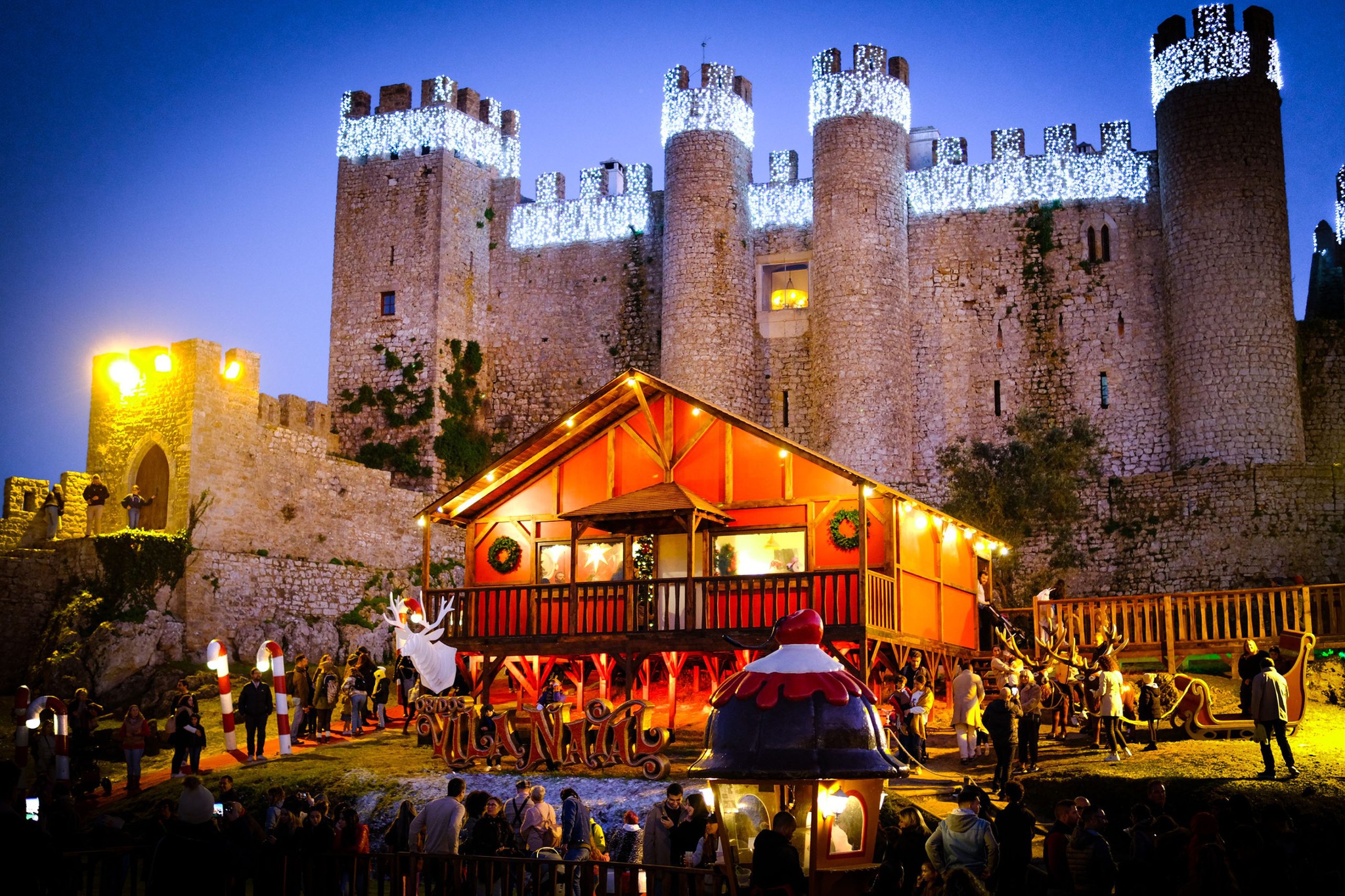
Óbidos, a picturesque town in Portugal, is steeped in history and charm. Surrounded by medieval walls, Óbidos transports visitors back in time with its cobbled streets and historic buildings.
The town’s history is palpable as you wander through its narrow alleys, passing by ancient churches and traditional white houses adorned with bright flowers.
Óbidos is renowned for its quaint shops that line the winding streets. Visitors can browse through artisanal crafts, local artwork, and unique souvenirs, making it a paradise for shoppers seeking one-of-a-kind treasures.
The town’s shops offer a glimpse into Portuguese craftsmanship and creativity, adding to the town’s allure.
Throughout the year, Óbidos hosts a variety of events that attract visitors from near and far. One of the most famous events is the Medieval Festival, where the town comes alive with music, entertainment, and reenactments of medieval traditions. This vibrant event offers a unique opportunity to experience Óbidos in all its historical splendor.
Beyond the Medieval Festival, Óbidos hosts other events such as arts and crafts fairs, wine tastings, and cultural celebrations that showcase the town’s rich heritage. These events add to Óbidos’ appeal as a destination that blends history with contemporary flair, making it a must-visit town in Portugal.
Batalha – 30 min
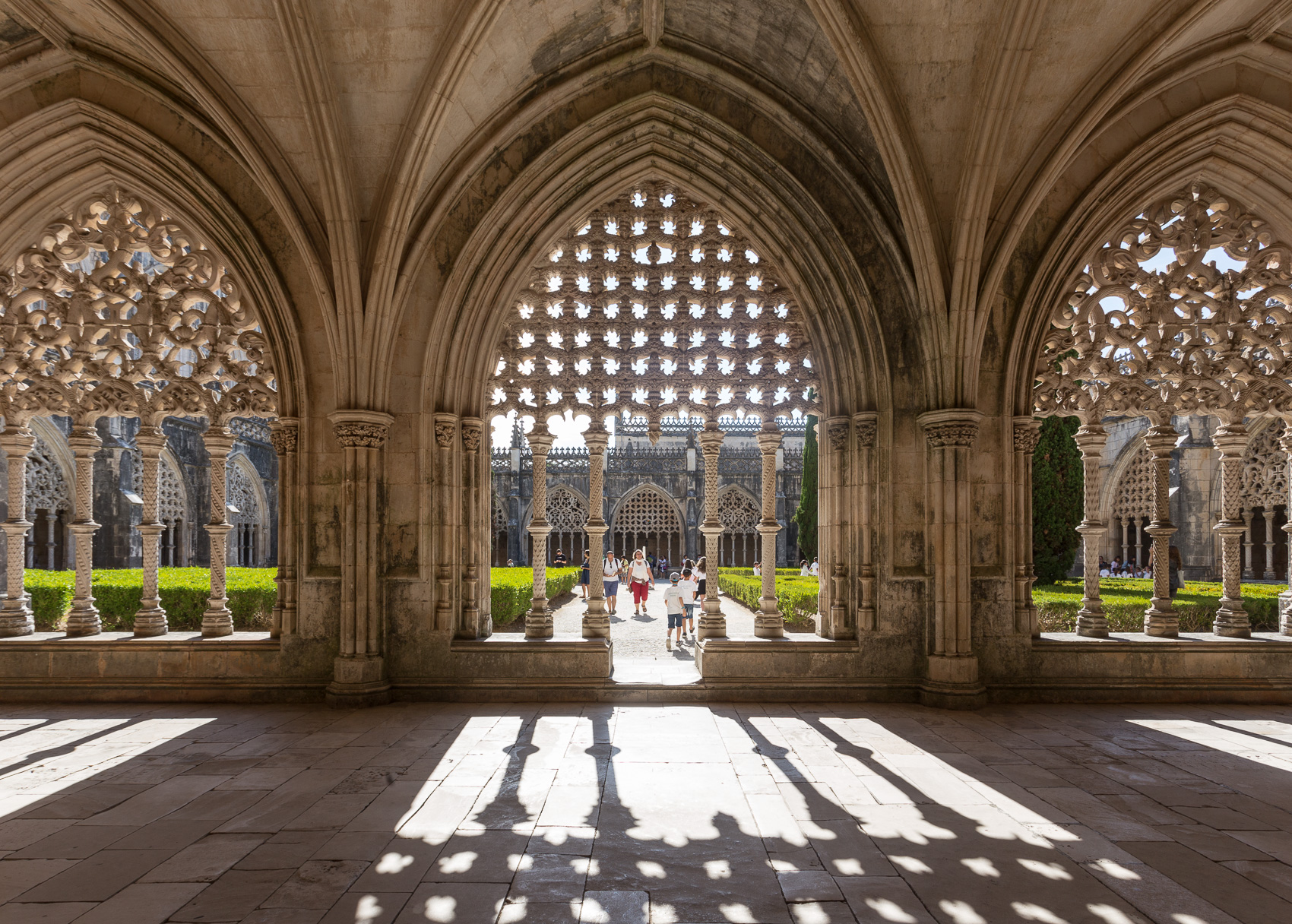


Batalha, a quaint town in Portugal, is steeped in history and architectural marvels. At the heart of Batalha’s allure lies the Batalha Monastery, a masterpiece of Portuguese gothic architecture.
Commissioned in 1386 to celebrate the Battle of Aljubarrota victory, this UNESCO World Heritage Site is a symbol of Portugal’s triumph and resilience. The monastery’s intricate carvings, grand rose window, and the poignant Unfinished Chapels stand as testaments to the skilled craftsmen of the era.
Adjacent to the monastery stands the Cathedral of Batalha, also known as the Monastery of Saint Mary of the Victory. Built in the 16th century, this gothic cathedral mirrors the grandeur of its neighbor. Its soaring vaulted ceilings, majestic altars, and exquisite stained glass windows create a serene ambiance, inviting visitors to admire its religious and historical significance.
Together, the Batalha Monastery and Cathedral form a harmonious duo, showcasing the cultural richness and architectural prowess that define Batalha’s identity and charm.
Alcobaça – 45 min
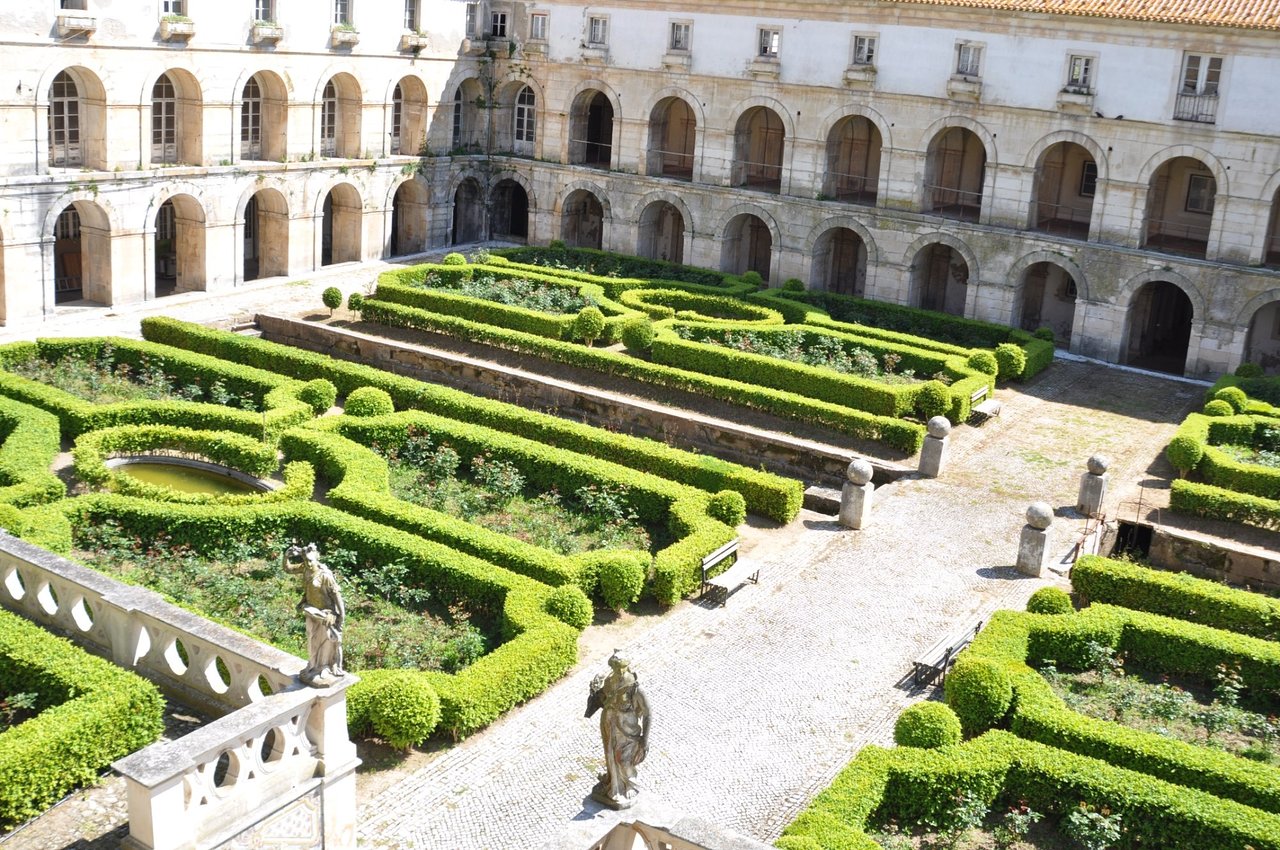
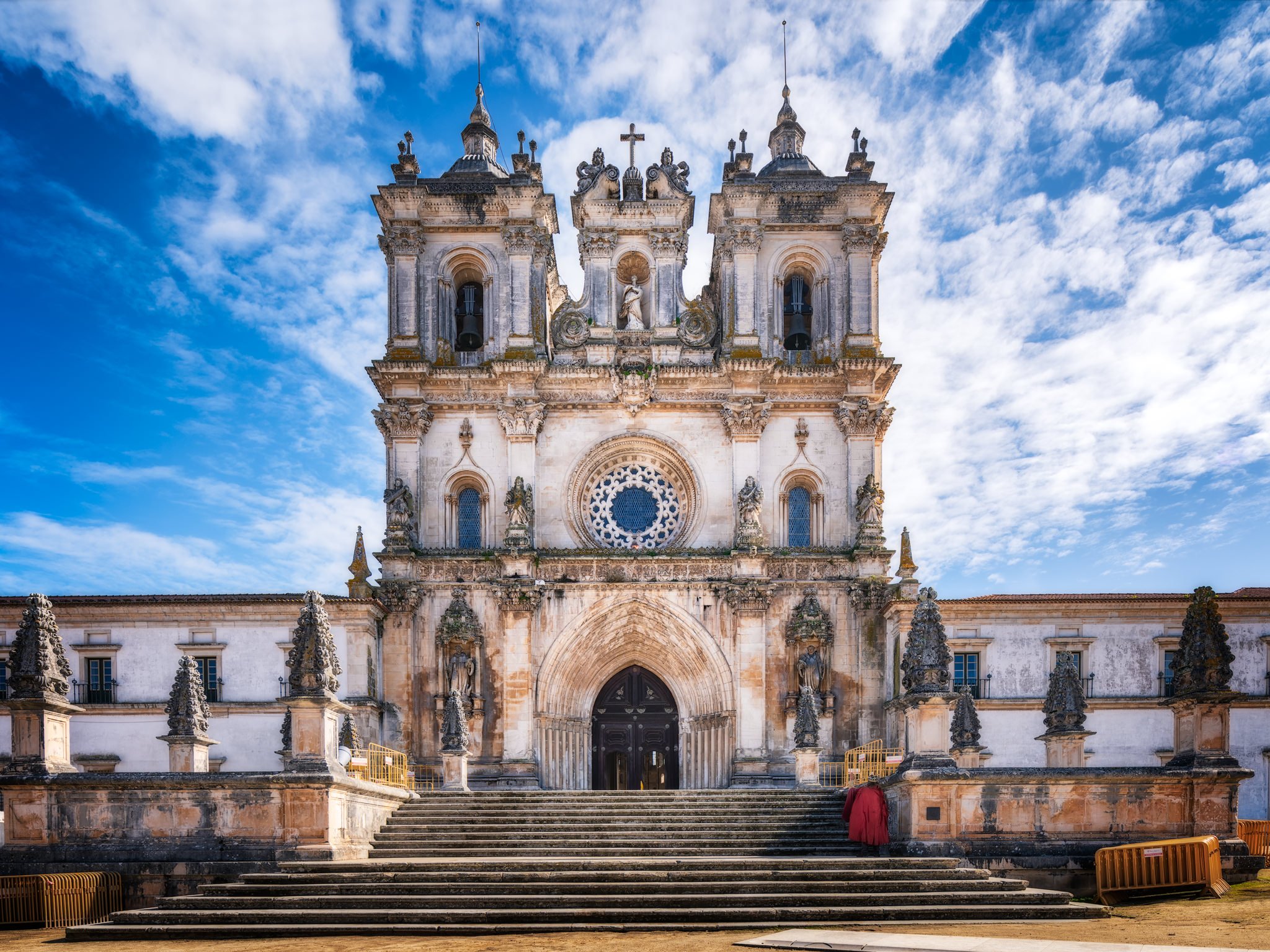

Alcobaça, a picturesque town in central Portugal, is steeped in history and renowned for its magnificent Alcobaça Monastery.
Founded in 1153 by the first Portuguese king, Afonso Henriques, and the first Portuguese Cistercian monks, the monastery holds immense historical significance. It stands as a prime example of Cistercian Gothic architecture and is considered one of the first truly gothic buildings in Portugal.
The monastery’s construction was ordered to commemorate the victory of Portugal over the Moors, and it became the first Gothic building in the country.
The Alcobaça Monastery is also famous for housing the tombs of Pedro I of Portugal and his beloved Inês de Castro, whose tragic love story has become a legendary tale in Portuguese history.
The monastery’s stunning architecture, including impressive rose windows, elegant cloisters, and intricate stone carvings, makes it a must-visit destination for history enthusiasts and architecture lovers alike. The serene atmosphere within the monastery walls offers visitors a peaceful retreat into Portugal’s rich past and cultural heritage.
São Pedro de Moel – 45 min

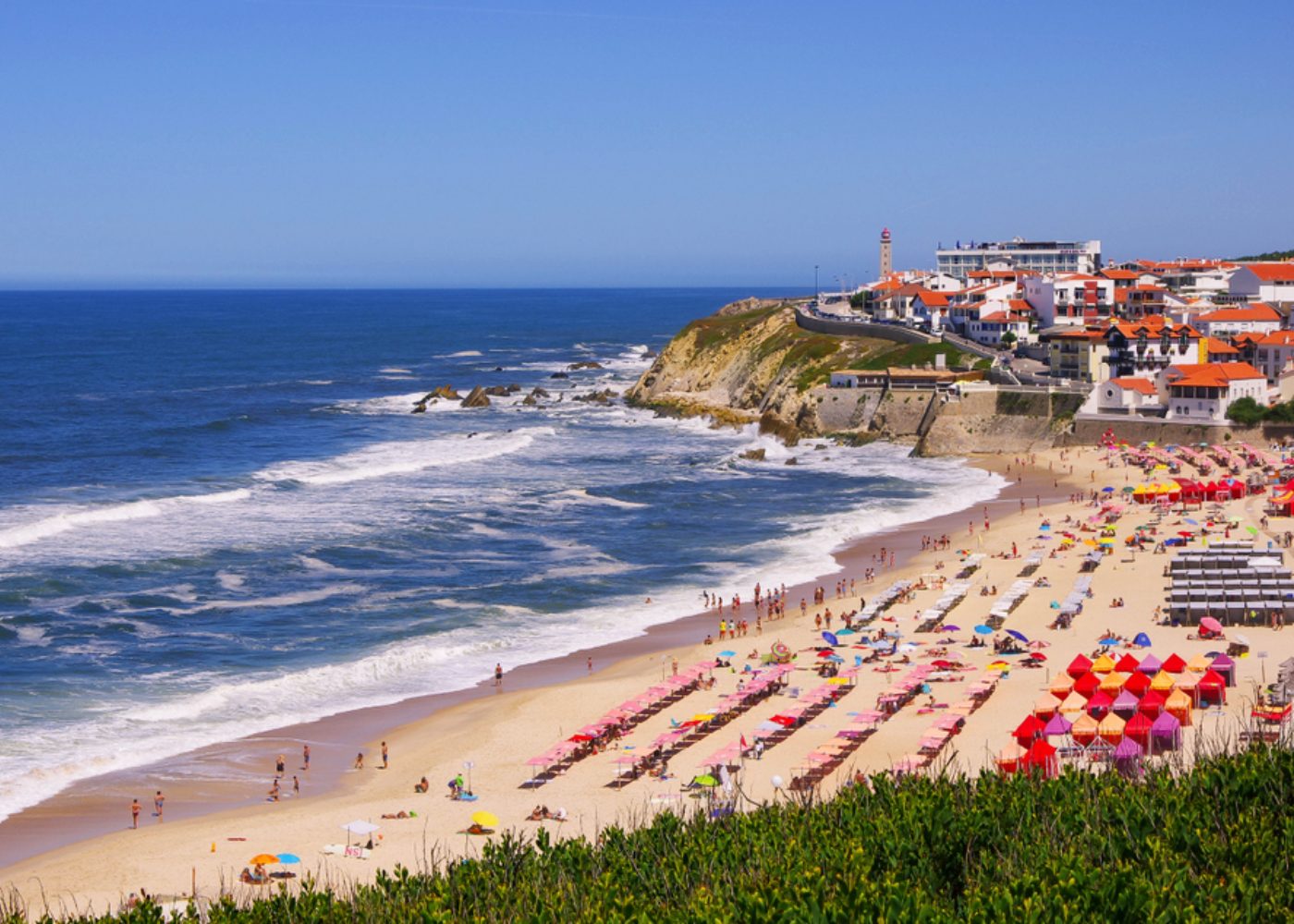

São Pedro de Moel is a charming seaside village located along the beautiful coast of Portugal. Surrounded by lush greenery and striking cliffs, this hidden gem offers a peaceful retreat for nature lovers and those seeking tranquility.
The main attraction of São Pedro de Moel is its stunning beach, known for its golden sands and clear blue waters, perfect for sunbathing and swimming on a hot summer day.
The village itself exudes old-world charm with its traditional Portuguese architecture, cobbled streets, and quaint cafes serving delicious local cuisine.
Visitors can take leisurely walks along the promenade, offering panoramic views of the Atlantic Ocean, or explore the surrounding forests and rugged coastline. For history buffs, there are several historical sites nearby, including a 17th-century lighthouse and ancient ruins dating back to Roman times.
Whether you’re looking for a relaxing beach trip, a scenic escape into nature, or a cultural adventure, São Pedro de Moel has something to offer for everyone.
This hidden paradise is a perfect destination to unwind, recharge, and immerse yourself in the beauty of the Portuguese coast.
Agroal – 40 min


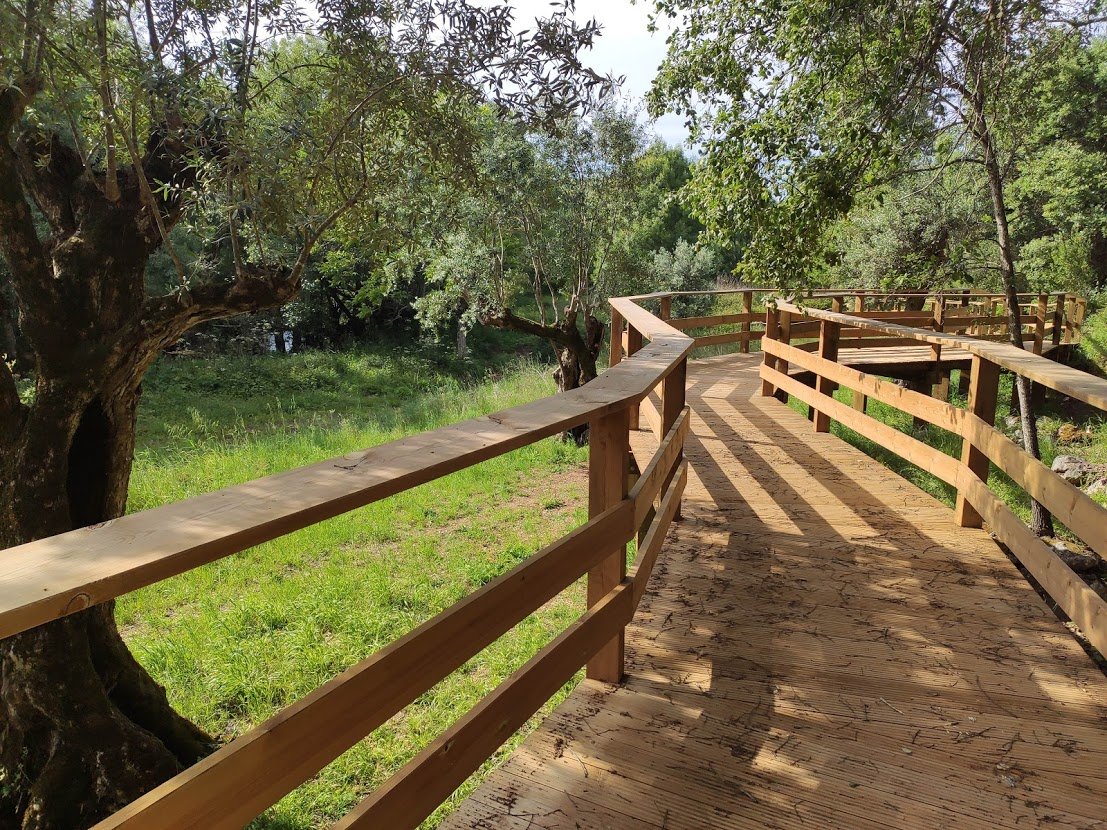
Agroal is a picturesque natural paradise nestled in the heart of Portugal, renowned for its stunning landscapes and outdoor recreational opportunities.
This hidden gem offers a myriad of activities for outdoor enthusiasts, making it a perfect destination for those seeking adventure and tranquility. Hiking trails crisscross the lush forests surrounding Agroal, providing ample opportunities to explore the area’s pristine beauty and encounter local wildlife.
Whether you’re an experienced hiker or a casual walker, there are trails suitable for all skill levels, offering breathtaking views of cascading waterfalls, meandering rivers, and verdant valleys.
After a refreshing hike, visitors can cool off and relax in the crystal-clear waters of Agroal’s natural swimming pools. The cool, invigorating waters are perfect for a leisurely swim or a rejuvenating dip on a hot day. Surrounding the pools are shaded areas ideal for a picnic or simply lounging and soaking up the serene atmosphere.
With its blend of adventure and relaxation, Agroal is a haven for outdoor lovers looking to connect with nature and escape the hustle and bustle of everyday life.
Ourém – 30 min
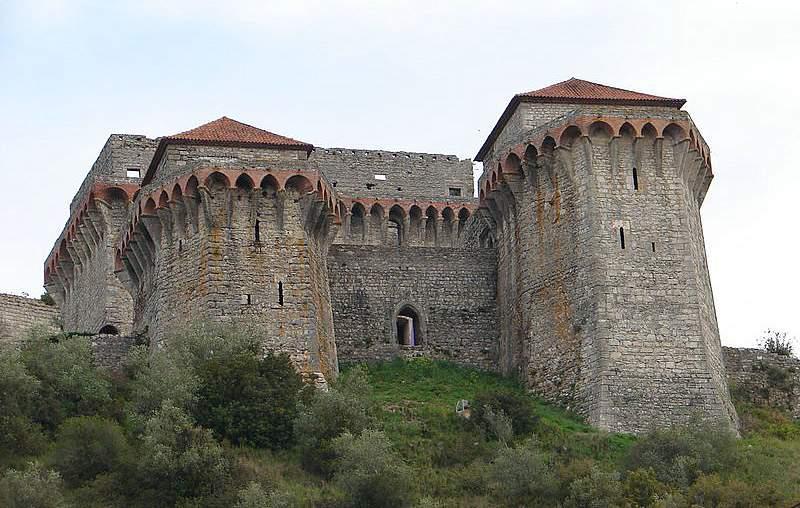
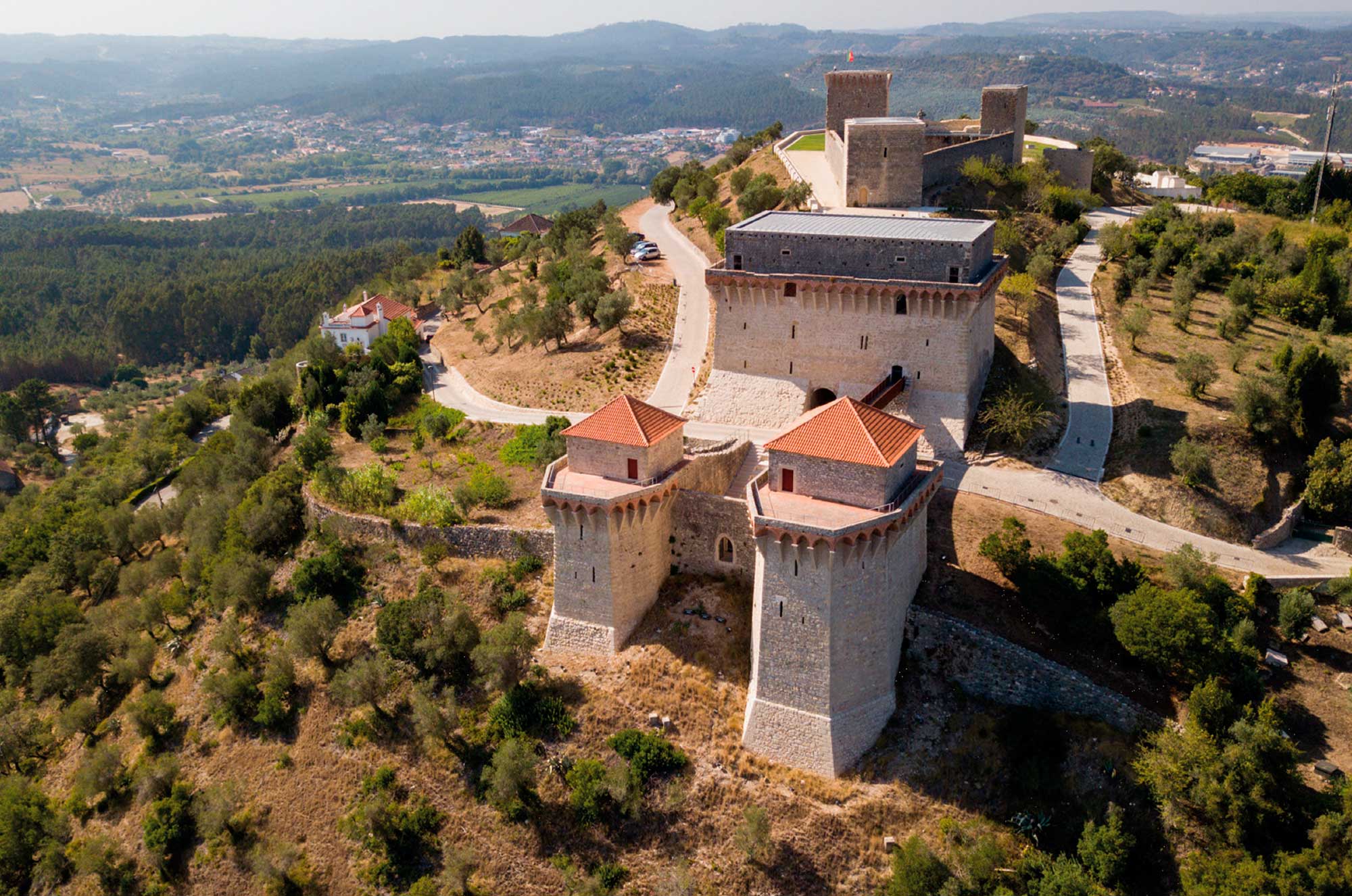
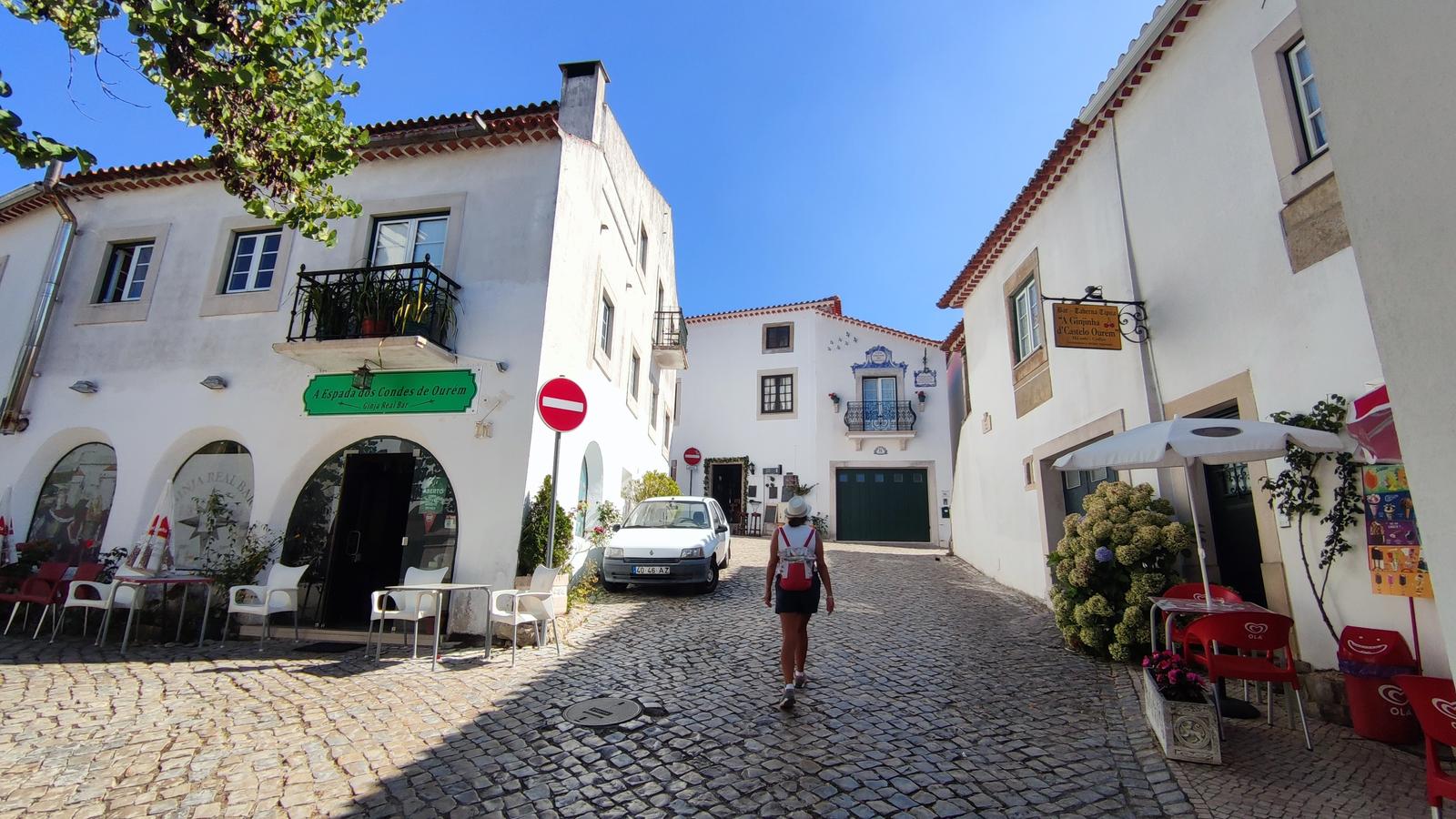
Ourém is a charming hilltop town nestled in central Portugal, steeped in rich history and surrounded by breathtaking landscapes. The town’s origins date back to Roman times, and its medieval roots are evident in its well-preserved architecture and cobblestone streets. Ourém’s crowning jewel is its majestic castle, a formidable fortress perched on a strategic hill overlooking the town and the lush countryside beyond. Originally built in the 12th century by the Moors, the castle underwent various expansions and renovations over the centuries, serving as a military stronghold and a symbol of power.
Visitors to Ourém can wander through the castle’s ancient walls, climb its towers for panoramic views of the surrounding area, and explore the castle’s interior, which houses a small museum showcasing artifacts and exhibits detailing the town’s history. The castle’s impressive battlements and towers offer a glimpse into Portugal’s past, transporting visitors back in time to an era of knights, kings, and battles. Ourém’s castle stands as a testament to the town’s enduring heritage and is a must-visit attraction for history buffs and architecture enthusiasts alike.
Fragas de São Simão – 50 min
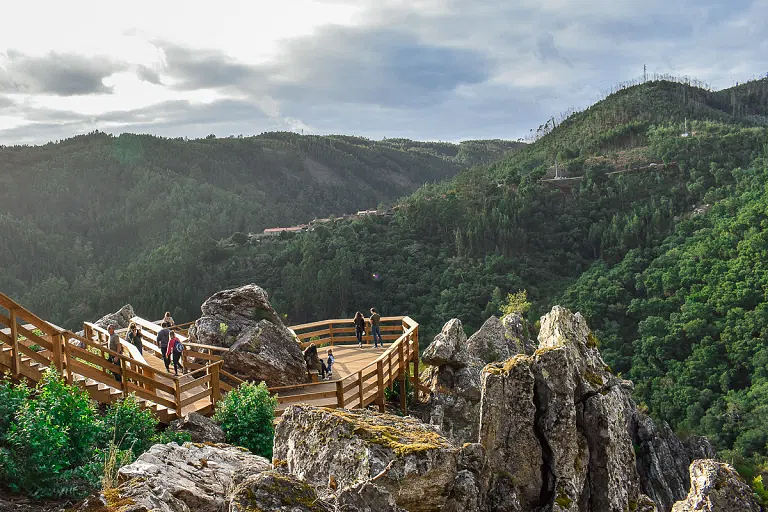

Nestled in central Portugal, Fragas de São Simão is a scenic spot offering natural beauty and a refreshing escape. The centerpiece is the Passadiço das Fragas de São Simão, a 2-kilometer easy walking trail.
As you meander along the wooden walkway, you’ll be surrounded by lush greenery and towering rock formations.
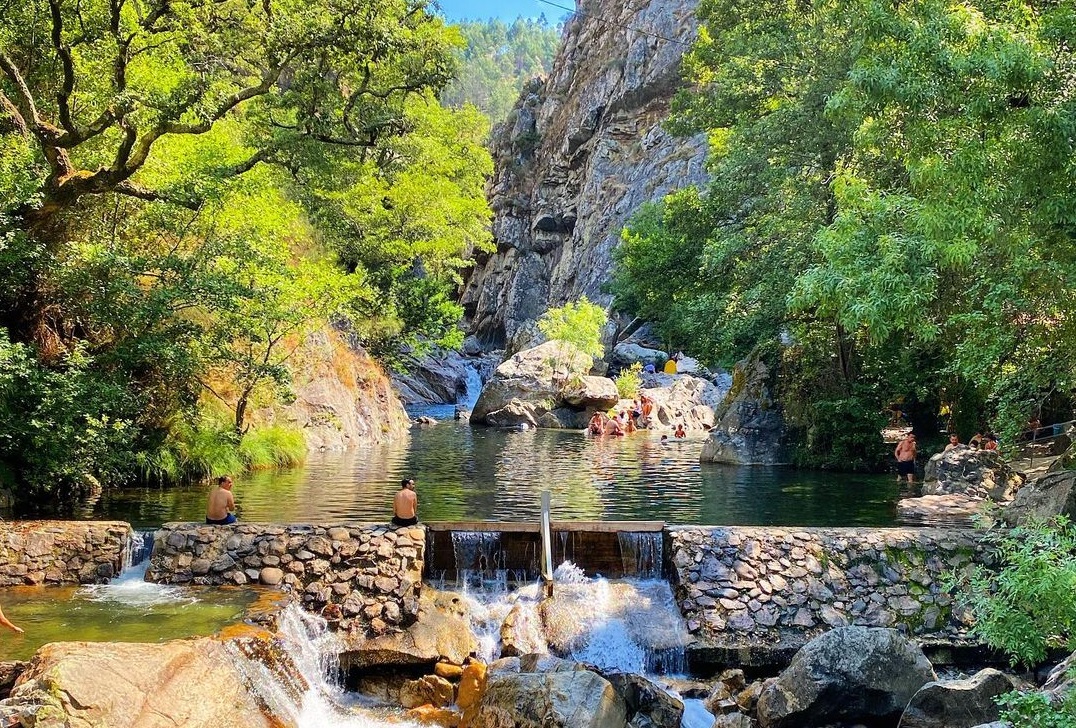
The star of the show is the Cascata da Pedra da Ferida, a waterfall cascading down the rocks, creating a cool and inviting atmosphere. Take a dip in the natural pool beneath the falls for a truly refreshing experience.
For panoramic scenery, head to the Miradouro das Fragas de São Simão viewpoint. Here, you can capture breathtaking views of the surrounding landscape. The nearby village of Casal de São Simão offers a glimpse into rural Portuguese life.
Whether you’re seeking a moderate hike amidst nature, a cooling swim, or a scenic escape, Fragas de São Simão has something for everyone.
Coimbra – 60 min

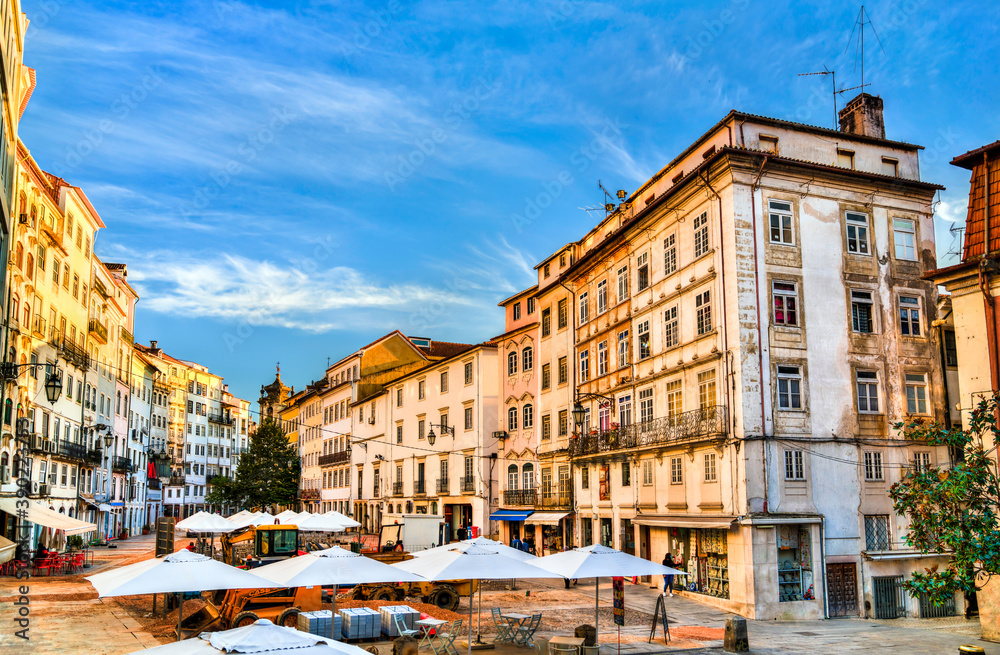
Steeped in history and adorned with academic charm, Coimbra boasts a rich tapestry woven over centuries.
Roman inscriptions whisper of its ancient roots as Aeminium, a stronghold that later fell to the Moors. In 878, Christian forces recaptured the city, and by the 12th century Coimbra ascended to the throne, becoming Portugal’s capital for over 120 years.
Kings were born here, including Afonso Henriques, the nation’s first monarch.
But Coimbra’s true crown jewel is the University of Coimbra, established in 1290. This prestigious institution, one of Europe’s oldest, soon became the heart of the city. Its weathered buildings perched atop a hill, with the iconic clock tower marking time, create a scene straight out of a scholarly fairytale.
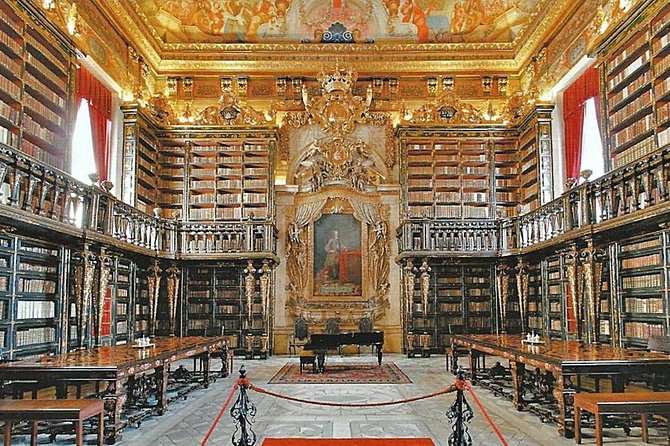
The Joanine Library, a baroque masterpiece with gilded shelves overflowing with centuries-old knowledge, is a testament to Coimbra’s enduring love affair with learning.
Today, Coimbra remains a vibrant city where the echoes of history intertwine with the youthful energy of its student population. Wandering its narrow streets, you’ll encounter remnants of Roman baths, imposing monasteries, and the soulful melodies of Fado,
Portugal’s melancholic folk music, serenading you from hidden cafes. Coimbra beckons you on a journey through time, a place where the past informs the present, and knowledge reigns supreme.
There are so many beautiful places to visit in our district, the list is endless! Hopefully this gives you an idea of what we have nearby. We are working with 2 personal tour guides, who would be happy to take you to any of these places, share their knowledge and give you a taste of authentic Portugal. There are also lots of different walks, hikes and bike rides through beautiful and diverse scenery in our location.
The History of Chumbaria
Chumbaria sits within the parish of Colmeias, in the Leiria district — a name thought to derive from colmenas, Spanish for beehives, reflecting the swarms once common here. Colmeias has been inhabited since the Neolithic period, with pottery fragments, flint tools, and polished stone axes found locally. A branch of the Roman road linking Lisbon (Olissipo) and Braga (Bracara Augusta) likely passed nearby, and the terracing still visible on the land probably dates to Roman cultivation.
The parish was formally founded in 1189. Chumbaria itself first appears in a document from 1444, and again in a 1512 land-sale record describing a transaction between local families. But its history comes into much sharper focus from 1885, the birth year of the man who would define the village for the next ninety years: Manuel Raimundo, known as Tio Mouco.
Tio Mouco’s kingdom
Mouco was a shrewd and famously thrifty businessman who built a fortune from farming, olive oil, wine, and — above all — pine resin. In his day the village comprised 14 houses and 8 barns, and he owned farms stretching between Chumbaria and Porto, with Chumbaria serving as the processing hub for it all. He kept a housekeeper, Rosa, and raised his orphaned goddaughter Rosária, who became the village’s goat herder. Maids and farmhands lived on-site in the hay barn, and at harvest time up to 40 outside labourers — some walking 15km from neighbouring villages — would join them.
His house was grand for its time, with a wood-panelled reception room and two bedrooms; his business office sat across the road. He ran three olive mills in nearby villages, extensive vineyards that produced grapes for wine sold by the barrel, and maize fields on fertile land. The original threshing circle (eira) where cereals were threshed and sieved — and where villagers gathered to celebrate the harvest with food, wine, and dancing — still survives today. Six oxen worked his land and hauled his produce, a clear sign of his wealth, and a herd of around 100 goats (which regularly got into trouble grazing at the village pond) supplied meat, milk, and cheese, alongside pigs, rabbits, chickens, and calves. Between the farming, the oil, and the wine, Chumbaria was largely self-sufficient — something we’re still aiming for today, if by rather different means.
The resin years
Mouco was also among the region’s leading resin producers, at a time when the valley held tens of thousands of pine trees. Resin tapping — mostly done by women using cans, knives, and spatulas — fed a major regional industry: sap was distilled into pitch and turpentine, exported and used in everything from paint and soap to machinery lubricant. By 1946, the district’s seven resin factories processed some 3 million kilos of raw resin a year, yielding around 10,000 kilos for export. Mouco ran his own factory nearby and another further north in Viseu, and stood out even among the district’s wealthiest resin men for his knowledge of the trade. Beyond the money, resin production created jobs and supported entire families across the region — its economic reach ran from the local to the international. At its height, this trade earned Chumbaria the local nickname “The Kingdom.”
Stories that outlived him
Mouco’s frugality became local legend. He reportedly avoided soap to save money and once padlocked the wine vats after catching servants siphoning wine through a hidden gourd and straw. When a servant lost a nail, Mouco insisted on searching the entire stable floor for it — “a nail is a nail.” Servants once staged a strike over an endless diet of black-pudding broth, and Mouco quietly ordered a pot of beans instead.
He wasn’t without generosity: he gave alms to beggars (each carefully logged as an expense) and let poorer neighbours do small jobs for scraps of food. He also had powerful connections — one story tells of him walking some 30km along a railway line to petition Salazar’s father directly after a shipment scandal briefly shut down his factory, and later thanking the future Prime Minister with a barrel of his best olive oil.
Mouco married late in life, at over 80, in a match most assumed was strategic rather than romantic. Under pressure, he signed a will in 1971 leaving his estate to his wife’s son rather than his own family — a decision that led to the felling of centuries-old oak forests for shipbuilding timber, replaced afterward by eucalyptus.
Decline and rediscovery
Manuel Raimundo died on 11 May 1975; on the way to his funeral, the hearse reportedly caught fire and had to be abandoned roadside. The Chumbaria estate passed through various hands afterward and fell into disrepair — the threshing floor, olive press, animal pens, and cellar vats left to decay, with only one vat, dated 1951, still intact.
The village remained abandoned until 2017, when a British couple bought Chumbaria and restored the first of its houses. They sold it to us in 2019, and we’ve stayed close friends ever since. We’re proud to be part of this village’s long history, and we hope to build a “Kingdom” of our own here — not of resin and thrift, but of community and connection to the land.